Hark! The Gulls of Appledore!
Braving the Wall of Sound
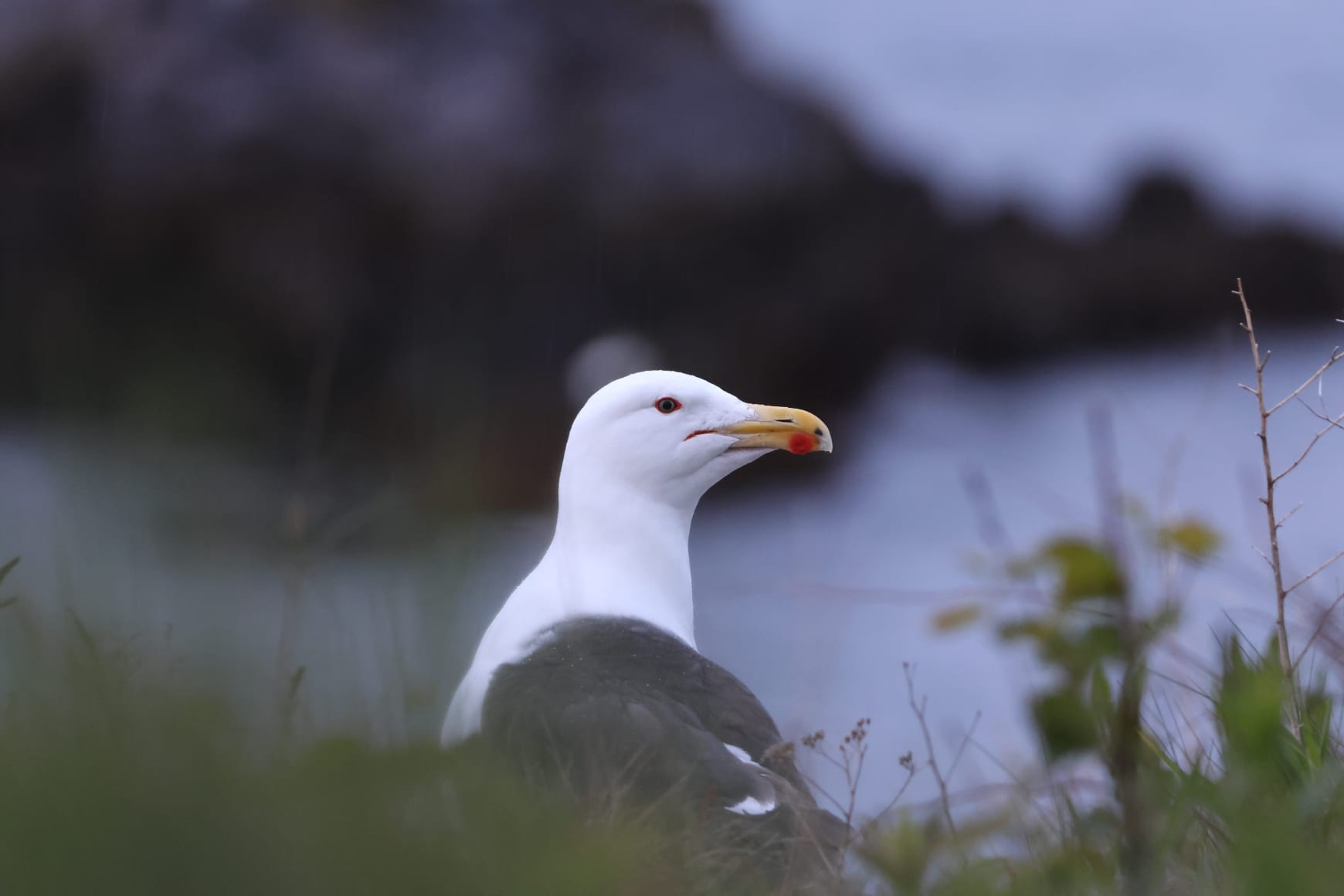
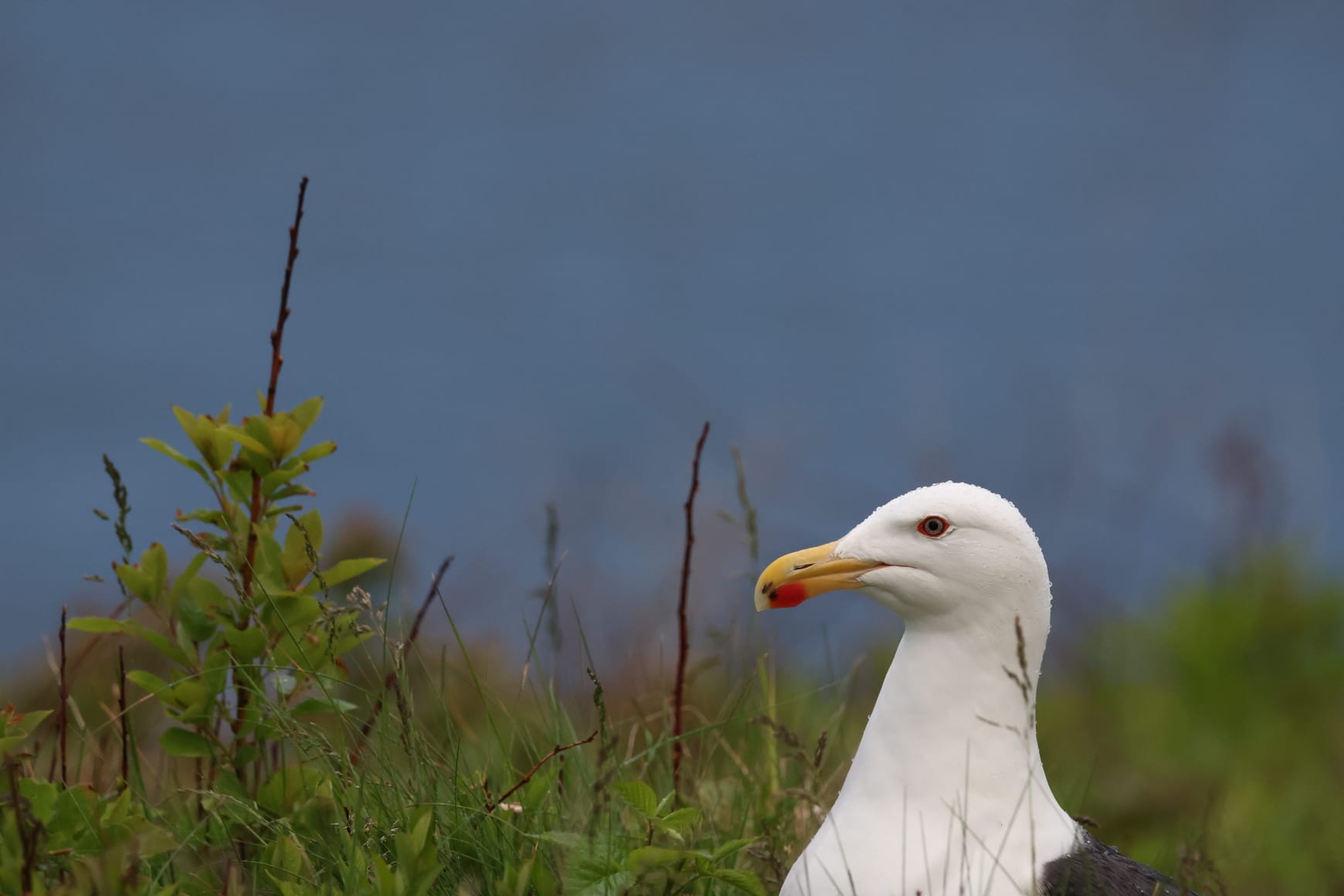
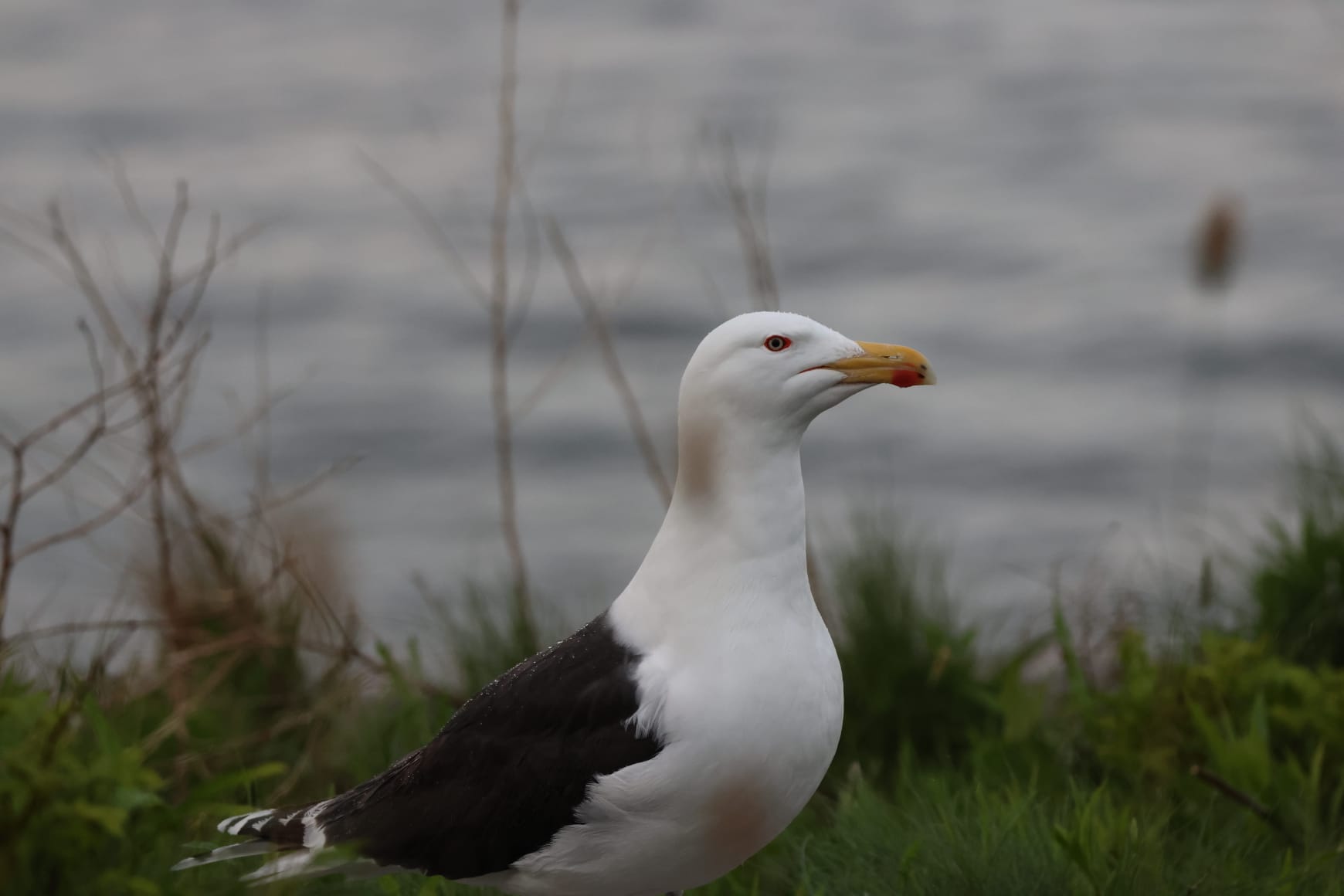
It was another hot, muggy day. We had been traversing the island all day heavy laden with cotton swabs, various sample vials, banding equipment, rebar cubes with wire fence siding, helmets oh, and of course gull sticks. Our target of course is the reason we needed such “sticks”, which were nothing more than pieces of lobster traps with a plastic bottle duck tapped to the end of it. (See Figure 1 below). We were after the Great Black Backed Gull, the largest gull species in the world and which happily breeds in good numbers on this beautiful island.
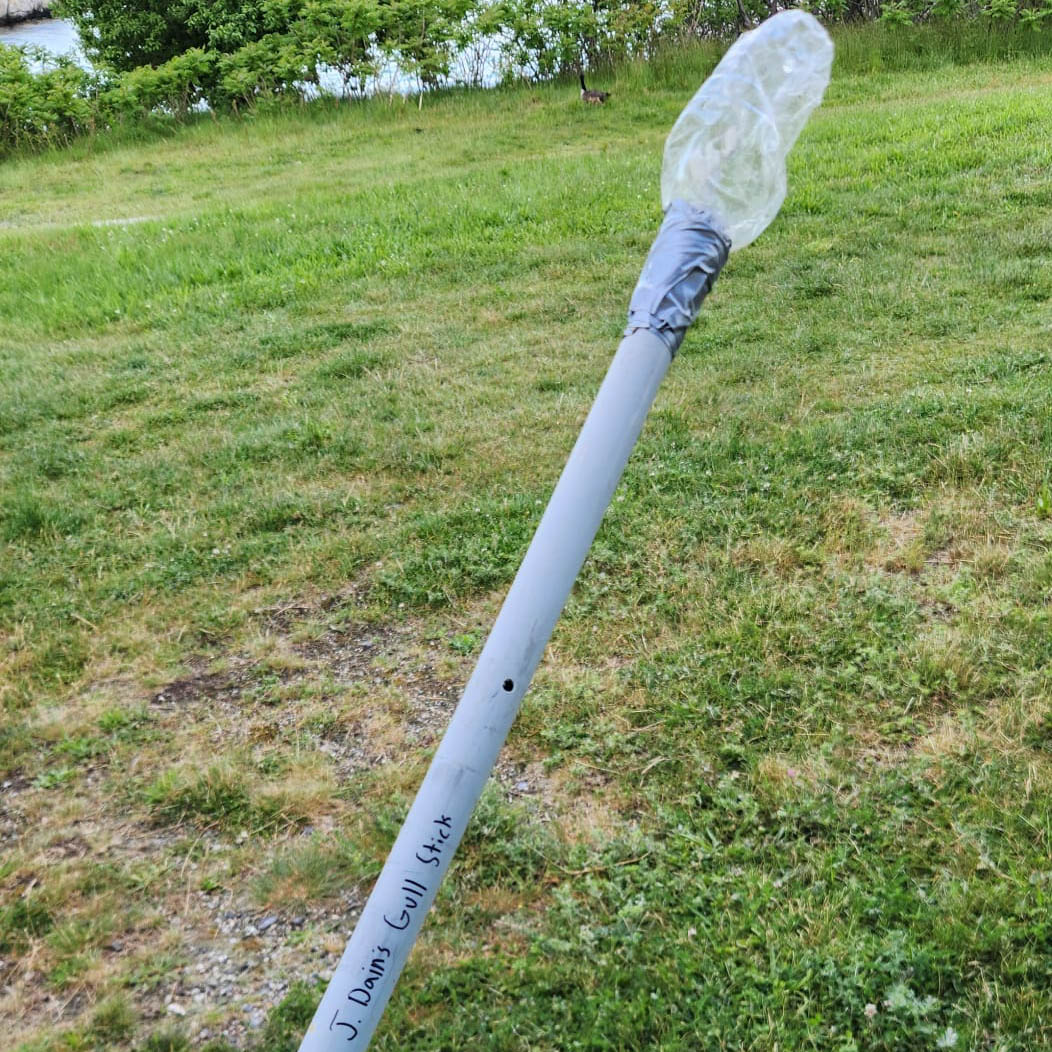
To be here you need to be willing to brave a cacophony of noise, flying fecal matter, the not so occasional swooping and of course, the many bites that ensue once a gull is in hand. Who might be on such a crew? To start we have a group of banders who have been coming to this island for the last 16 years. Then we have a researcher from LMU who is studying the isotopic signature of chick hatch order in these birds. Finally, you have the VirusPlusLab (Melba TorresSosa and myself) who love all things gull and virus.
The Gull (Goal) is simple we need to place metal bands with a federal ID number on the bird, place an alphanumeric band, get feathers for isotopes, get a blood sample for genetic sexing, a blood sample for examining the immune profile, a blood sample to check antibody status, body measurements, and of course oral/cloacal swabs for potential virus! Sounds easy enough right?
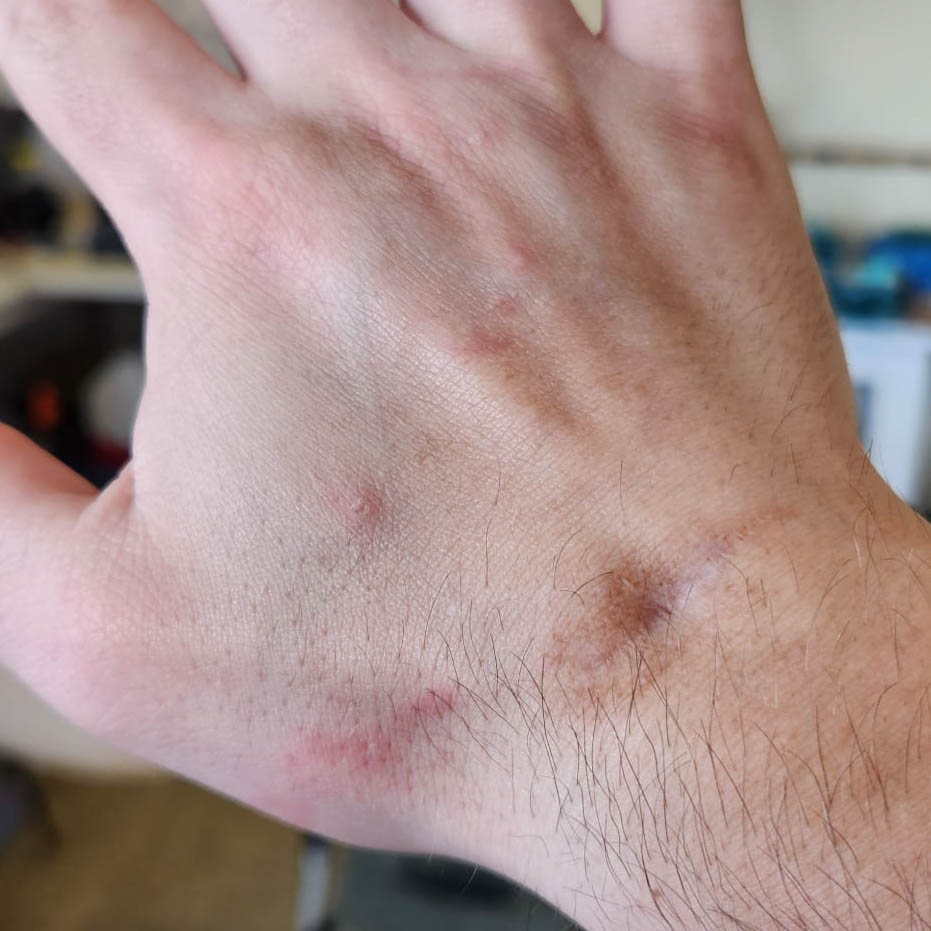
Well needless to say these were some hot, stinky, noisy yet incredible, magical, wonderful days. We sampled 34 adult GBBGs (the American Birding Association four-letter code for Great Black Back Gulls), taking swabs, feathers, and blood samples from all of them. Some of us scored some new physical mementos of the birds - see below - and all of us got swooped. Once I am back on the mainland I will be running these samples through a quantitative PCR protocol to identify if any of the swabs are positive for highly pathogenic avian influenza. For now, I can just enjoy the view and share some of the highlights with you, my dear readers.
A stolen Notebook
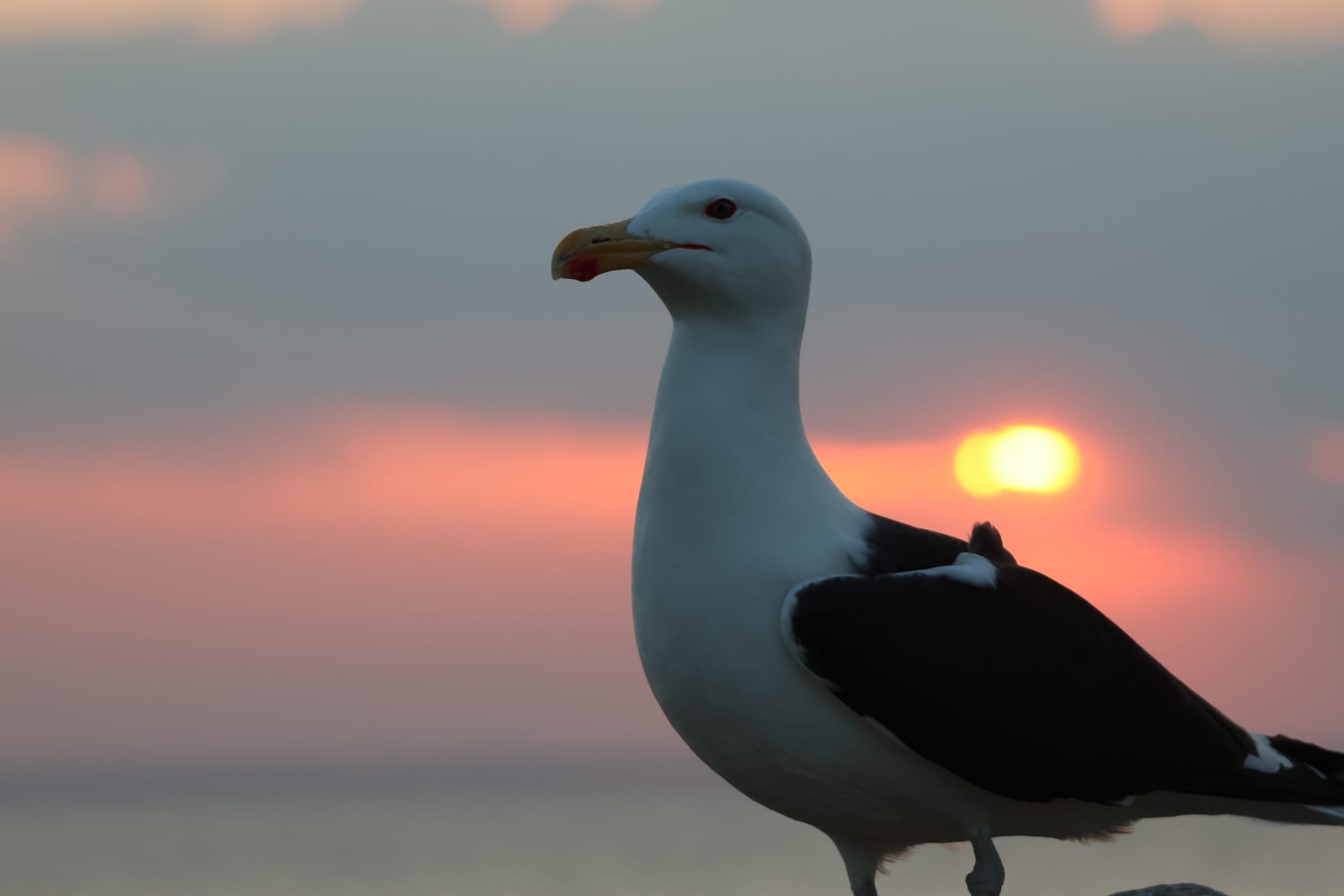
The sunset pavilion was supposed to be an idyllic spot to watch the sun dip below the ocean waves in peace. While I still think this spot on the Island is very idyllic, peace is maybe not the most apt word to use here. Several pairs of GBBGs have claimed this area as their “personal” nursery, enlisting the help of other gulls to watch the area and keep chicks contained. The result, any human within a 10-foot radius of the pavilion is subject to poop, squawks and much swooping. This was our first stop on the island to check for nesting gulls and our colleague Dylan - an extraordinary gull researcher - was using their field notebook as an improvised gull stick. As they were about to reach the relative safety of the roof a gull swooped down and snatched the notebook out of their hand before flying away and dropping it upon the head of another nesting gull! If a gull could speak English the squawk we heard would have been some colorful language indeed.
Fecal Explosions
As you may recall in a previous blog post, I take cloacal samples to “hunt” for the virus. Usually, this is a very clean and efficient procedure that takes only a few seconds. Well, this particular swab went a little differently than usual. As I was removing the swab to place it in a vial the bird decided now would be a great time to relieve themselves. This is normally totally fine as we love to get a fecal sample from birds when we can. However when the fecal matter comes with pressure and squirts up your arm, and inside your gloves……then it becomes a problem. We all had quite a moment of surprise before giving way to laughter as I cleaned myself off and then later changed my shirt before dinner.
The Most Valuable Player
RNA is fragile. Avian influenza is a RNA virus so if you want to sequence it you need to make sure it is protected. One way to do that is by keeping your samples cold, like very cold (-150 degrees Celsius) for example. But Jonathan you are on a Island already described as hot, how in the world are you going to do that? Enter stage left Joyce, the liquid nitrogen container! Joyce is the hardest working personnel at the VirusPlusLab, easily making her the most valuable player in a virus hunting expedition. An added bonus is that when you open her to place samples inside she billows out nitrogen and looks like an amazing science experiment. Each time we opened her up to drop off the latest bach of samples we would hear a collective gasp. Joyce’s legend has taken the island by storm and now people from the boat crew to the island coordinator all know the name Joyce and just who “she” is. See a figure below for her in all of her splendor as well as a post by Sarah - a member of the gull bander team - for a sunset picture of Joyce.
A Grateful Heart
Throughout this trip we were shadowed by a reported named Dean Russell who works for the Endless Thread Podcast, among others. Dean’s goal was to capture interesting stories about the gulls, this island, and the research going on here. One of the things that he asked me was “What do you like about the gulls?”.
An innocent question but one that sets my mind racing. Gulls can sometimes carry the negative connotation of “sea rats”. I believe that this is in part because of how similar they are to humans. When I watch these birds I see a myriad of social interactions happening spread across a kaleidoscope of individual personalities. Whether these birds are shy or bold, loud or quiet, tightly clustered or not all changes the social dynamics they display. Each gull is unique and each interaction with them even more so. People who have been on Appledore for many years will attest to the fact that these gulls remember people on the island. Our own banding team spoke to the idea that when these gull see our helmets and “sticks” they know what we are there to do. Great Black Back Gulls are intelligent, beautifully social, and they of course are fierce protectors and parents. I have been tapped, bit, and charged at by many parents while I have sampled their offspring. They will do all they can to keep us and our swabs away from their babies.
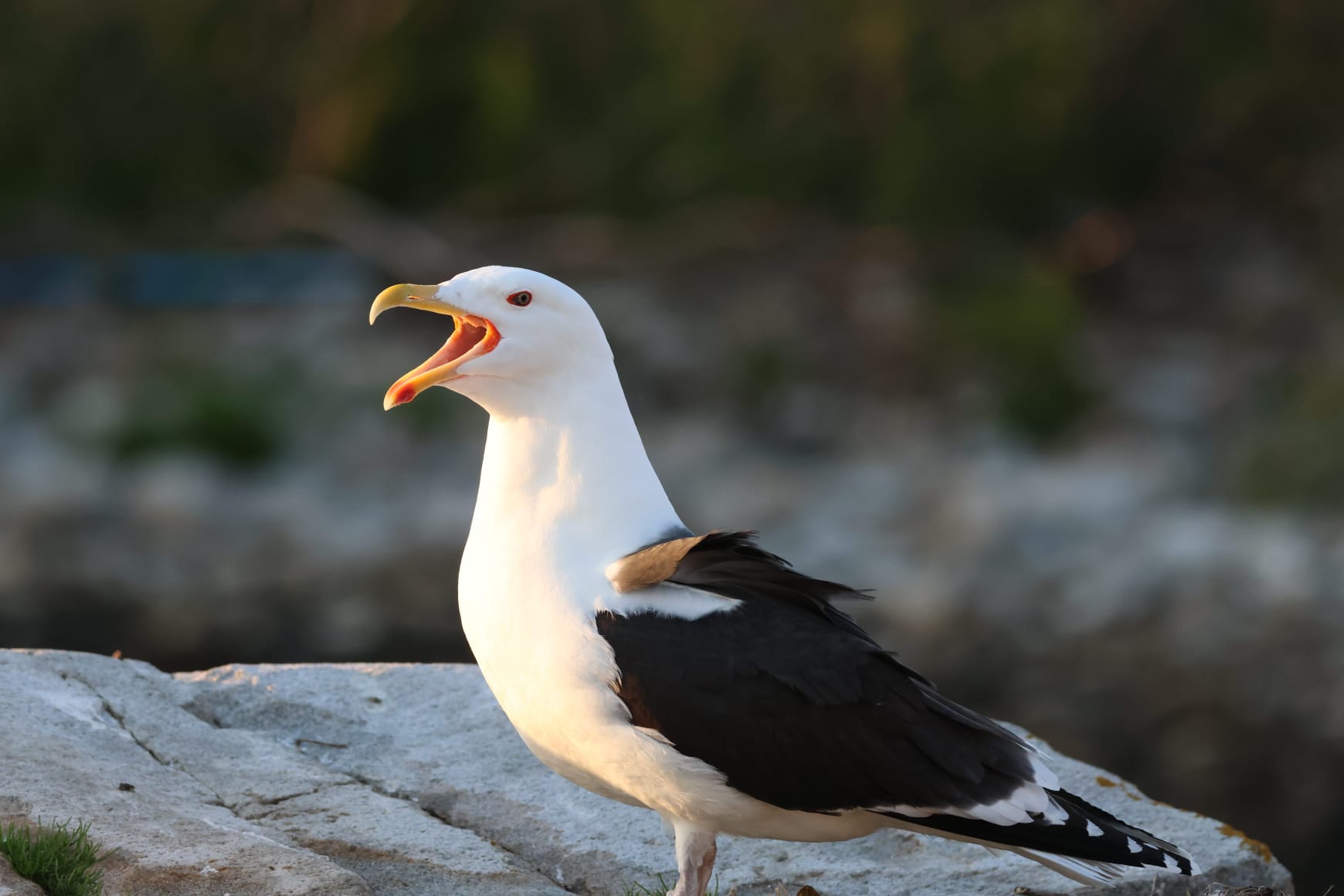
I love these birds because I can see pieces of myself in them. In studying them I learn things about myself, they are like a mirror in so many ways. Plus they have an audacity that is unmatched.
Well that was many thoughts and I hope you enjoyed reading them. Take a look below if you want to see more cute gull photos. Until next time keep your eyes to the sky.
Cheers,
Jonathan Dain